
category Blog

Catering Cancellation Policies in Boston: Questions to Ask Before You Sign

You’ve found a caterer you like, talked through the menu, and started picturing how everything will come together. Before you sign the contract and send a deposit, there’s one less exciting part of planning that deserves your attention: what happens if your plans change?

No one books an event expecting to cancel or postpone it. Still, dates move, venues change, guest counts shift, and unexpected circumstances come up. In this guide, we’ll walk through the most important catering contract questions to ask about deposits, cancellations, postponements, and rescheduling before you commit.


Start With the Catering Deposit Policy

A deposit often confirms your event date and allows the catering team to begin planning. What matters is understanding exactly how that payment is treated under your agreement.

Before paying, ask:

  • How much is due when we sign?
  • Is the deposit refundable or nonrefundable?
  • Does it become nonrefundable after a certain date?
  • Is the deposit applied toward the final balance?
  • What happens to it if we postpone instead of cancel?

This is also a good time to confirm when future payments are due and what happens if your event details change before the final payment.


What Happens If You Need to Cancel?

Look closely at what the contract says about cancellation.

Some policies may change depending on how close you are to the event date. For example, the amount that may be refunded could be different several months before the event than it is a few weeks beforehand.

Ask your caterer to explain the deadlines and what happens to the payments you have already made.

The question is simple:

If we cancel on a certain date, what happens to the money we have already paid?

You should have a clear answer to that question before you sign.


Ask About Postponement Separately

Canceling an event and moving it to a different date are two different situations.

If you still want to hold the event but need more time, ask how the caterer handles event catering postponements and date changes.

Questions worth asking include:

  • Can our existing payments move to the new date?
  • How long do we have to choose another date?
  • Does the new date depend on the caterer’s availability?
  • Could the price change if we move the event to a different season or year?
  • Is there a rescheduling fee?

If you need to reschedule your catered event in Boston, availability is especially important. Your caterer may already be booked on the new date you have in mind.


What If Your Venue or Guest Count Changes?
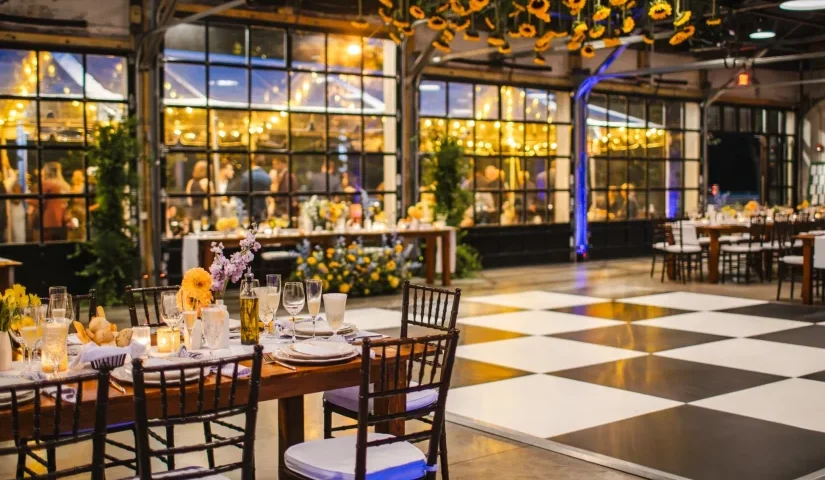
Event venue with candlelit tables and dance floor by Johnny Burke Catering & Events.


Not every change means canceling the entire event.

You may decide to move to another venue. Your guest count could go down. You might switch from an outdoor reception to an indoor celebration.

Ask how changes like these affect your agreement.

One detail to look for is the deadline for your final guest count. After that date, reducing the number of guests may not reduce the amount you owe.

You should also confirm when menu choices, staffing needs, rentals, and dietary requests need to be finalized.

If you are still collecting food allergies or dietary requirements from guests, our guide to gluten-free and allergy-friendly catering in Boston explains why sharing that information early can make menu planning easier.


Ask What Happens to Staffing and Rentals
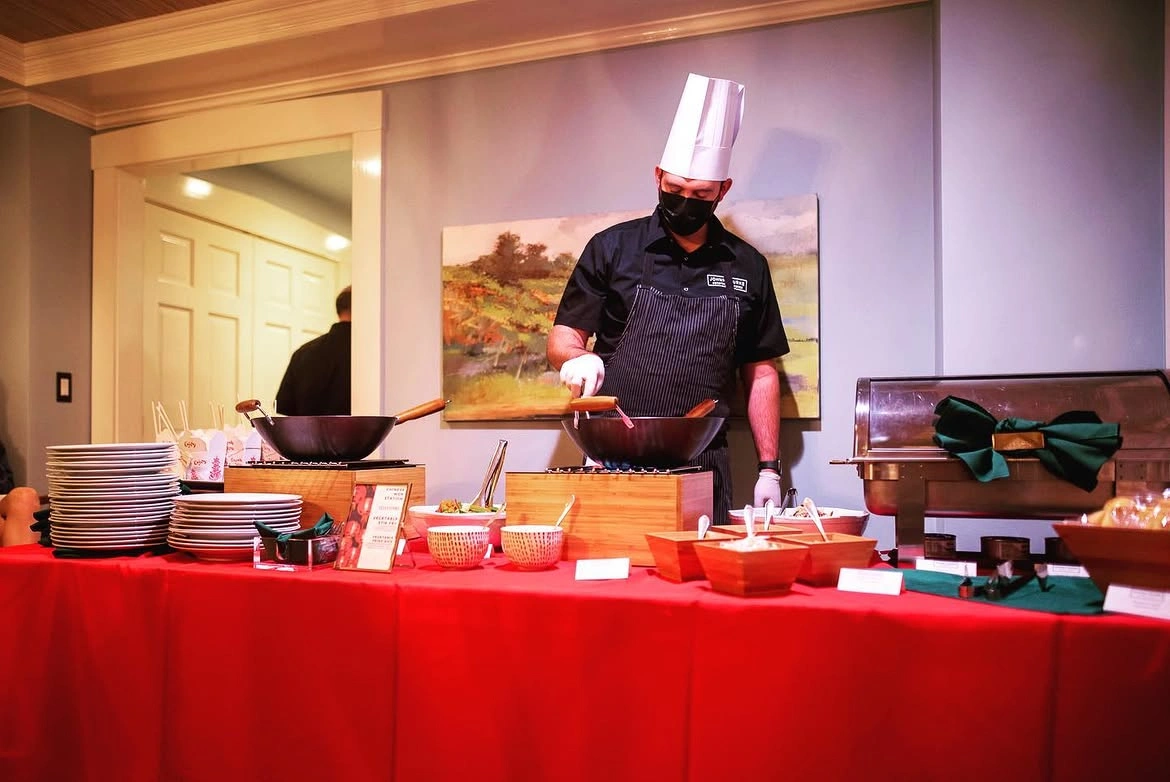
Chef preparing food at a live event station by Johnny Burke Catering & Events.

Food is only one part of a full-service catered event.

Depending on your event, the catering plan may involve servers, bartenders, event managers, equipment, linens, glassware, or other rentals. Ask whether cancellation or postponement terms apply differently to any of these items.

If you want a better understanding of what different team members handle during an event, our guide to catering staff for Boston events breaks down the roles of servers, bartenders, and event managers.

Knowing what has already been reserved for your event can make it easier to understand which costs may still apply if you cancel or change the date.


Get Important Details Documented

A conversation can answer your questions, but the written contract is what you’ll rely on if your plans change later.

Before signing, make sure the agreement clearly addresses:

  • Payment deadlines
  • Cancellation deadlines
  • Refund terms
  • Postponement or rescheduling options
  • Final guest-count deadlines
  • Major event changes
  • Any applicable fees

If something you discussed does not appear in the contract, ask for clarification before making your payment.


Frequently Asked Questions


Are catering deposits refundable?

It depends on the caterer and the agreement you sign. Ask whether your initial payment is refundable and whether that changes as your event date gets closer.


Can I move my catering deposit to another event date?

That depends on the caterer’s postponement policy and availability. Ask whether your payments can transfer and whether you need to choose a new date within a certain period.


What happens if my guest count drops?

Check when your final guest count is due. After that deadline, lowering your headcount may not change the amount you are required to pay.


Should cancellation terms be included in the catering contract?

You should be able to clearly understand the rules for cancellation, payments, and postponements from your agreement. If anything is unclear, ask for an explanation before signing.


Make the Contract Part of Your Planning

A cancellation policy may not be the most exciting part of planning an event, but understanding it now can prevent uncertainty later. Before signing, make sure you know what happens to your deposit, what deadlines apply, and how cancellations, postponements, or major event changes are handled.

If you’re planning an event with Johnny Burke Catering & Events, ask us about the details that matter to your event before you commit. Clear expectations from the beginning can make the rest of the planning process much easier.

Brownstone Wedding Catering in Boston: Logistics for Tight Spaces and No-Kitchen Venues

A brownstone wedding can feel warm, personal, and wonderfully intimate. Narrow hallways, multiple floors, limited prep space, or no commercial kitchen may call for a little more planning, but with the right catering setup, those details can be worked into the service plan from the start.

If you are planning brownstone wedding catering in Boston, it helps to think about the space before finalizing the menu. In this guide, we’ll walk through the key logistics that can help your celebration feel comfortable, organized, and easy for your guests to enjoy.


Why Brownstone and Rowhouse Weddings Need a Different Catering Plan

Small venue wedding catering is not simply a smaller version of catering in a ballroom. The service plan needs to fit the way your venue actually works.

Think about where the catering team can prep food, where rentals and equipment can be stored, and how servers will move between rooms. You will also need a place for used plates, glassware, and other service items once guests are finished with them.


Start With a Site Walkthrough

Johnny Burke Catering & Events outdoor reception display with passed bites and floral décor for guests.

When you are planning catering in a tight space, a site walkthrough can answer many of the most important questions.

Before you finalize the setup, confirm:

  • Where vendors can load and unload
  • Which entrance the catering team can use
  • Whether hallways, doorways, and staircases allow staff to move comfortably
  • What prep space, water, and electrical access are available
  • Where refrigeration, warming equipment, and service supplies can be placed

A walkthrough gives your catering team a clearer picture of how to build the catering setup around the venue and make the best use of the available space.

Build the Right Setup for a No-Kitchen Venue

A venue without a commercial kitchen simply requires a different behind-the-scenes setup. At Johnny Burke Catering & Events, we plan where food can be prepared, held, finished, and staged before it reaches your guests, building the behind-the-scenes setup around the venue rather than expecting the venue to work like a traditional catering kitchen.

Depending on the property and menu, a catering team may need portable prep tables, refrigeration, warming equipment, or sanitation stations. Before making final selections, your catering team can look at what each dish requires and plan the equipment and setup needed to serve it successfully in the space. 

You can also explore our full catering menu for ideas, then work with your caterer to shape the selections and service style around the property.


Choose a Service Style That Works With the Space

Black-and-white photo of a bride and groom sharing a kiss at their Boston brownstone wedding reception.

The way dinner is served matters even more when space is limited.

Buffets can work well in smaller venues. The key is placing the buffet where guests can line up and move around without blocking doorways or hallways. 

Family-style meals can also work, but the tables need enough room for shared serving dishes along with each guest’s plate, glassware, and utensils.


Plan a Smooth Flow for Guests and Catering Staff 

In a smaller venue, the placement of each element matters.

Think carefully about where you put the bar, dining tables, cocktail stations, and dessert display. For example, placing the bar beside the only staircase may create a crowd exactly where servers need to pass.

If your wedding uses several rooms or floors, decide how each area will be used before setting the final floor plan. Guests should be able to move naturally through the celebration, while staff still have a clear path for food, drinks, and clearing.


Coordinate Staffing and Deliveries With the Venue 

Private home wedding catering in Boston can also require more careful delivery planning. In a smaller property, deliveries can be timed in stages so rentals, beverages, and equipment arrive when they are needed without overcrowding the space.

Your caterer may need to plan when different items arrive and where they will be stored until they are needed.

Our guide to catering staff for Boston events explains what servers, bartenders, and event managers each handle during an event.


Questions That Help Shape the Catering Plan 

Before you book catering for a brownstone, rowhouse, or private home, ask:

  • Have you catered in private homes or historic properties before?
  • What prep space, water, power, and refrigeration will you need?
  • Where will food be staged before it is served?
  • How will staff handle narrow hallways or stairs?
  • Which service style works best for this floor plan?
  • What temporary equipment or rentals will be needed?
  • Who will manage the catering setup and service on the wedding day?

These questions help your caterer build a service plan that works naturally with the space and is ready for the realities of the wedding day.


Create a Catering Experience That Works With Your Venue

A brownstone wedding can feel polished and seamless without a large commercial kitchen when the catering setup is carefully planned around the space.

At Johnny Burke Catering & Events, we look at the menu, equipment, staffing, and service flow together so the catering plan works naturally with your venue. From compact brownstones to private spaces without a traditional kitchen, thoughtful planning behind the scenes can help create a smooth and welcoming experience for you and your guests.

Planning a brownstone, private-home, or no-kitchen wedding venue in Boston? Contact Johnny Burke Catering & Events to start planning a catering setup that works beautifully with your space.

How to Plan a Wedding Menu in Boston: Dietary Needs, Guest Count, and Service Style

Planning your wedding menu is exciting, but there are a few things to think about along the way. You want food you love, while also making sure the menu works for your guests. Dietary needs, guest count, and service style can all shape those choices.

The good news is that you do not need to decide everything at once. Start with the basics, then work through the details with your caterer.

In this guide, we’ll explain what to consider during wedding menu planning in Boston, from guest count and dietary needs to choosing the right service style.


Start With Your Guest Count

Your guest count is one of the first things to consider when planning the menu. It helps your caterer understand how much food is needed and which service styles may work best for your venue.

You do not need an exact number right away. A good estimate is enough to get started. As RSVPs come in, keep your caterer updated so they can adjust the plans if needed.

Guest count can also affect how easily different service styles work within your venue and reception timeline. A smaller wedding may allow for a more intimate plated experience, while larger celebrations may benefit from a service format designed to keep dinner moving smoothly. Your caterer can help you weigh those options based on your venue, timeline, and number of guests.


Plan for Dietary Needs Early

Dietary needs are an important part of wedding menu planning. Ask guests to share any allergies, intolerances, or dietary preferences when they RSVP so your caterer has time to prepare.

Early notice makes it easier to plan vegetarian, vegan, gluten-free, or dairy-free options. It also helps your catering team ensure each guest receives the appropriate meal.

When planning wedding catering in Boston for guests with dietary needs, the goal is to make everyone feel included. Special meals should feel like part of the menu, not something added at the last minute.

Our guide to gluten-free and allergy-friendly catering in Boston explains what to share with your caterer and why early planning matters.


Choose a Service Style That Fits the Reception

The way dinner is served can influence the pace of your reception, how guests interact, and how much time is available for speeches, dancing, and other parts of the evening.

  • Plated dinner: A good fit when you want a more structured dining experience. Guests remain seated while courses are served, which can make it easier to coordinate dinner with speeches and the reception timeline.
  • Buffet: Gives guests more flexibility in what and how much they choose. Consider how many guests will be moving through the buffet and where it will be positioned within the venue.
  • Food stations: Allow guests to explore different dishes and move around during the meal. They can work particularly well for receptions where you want dining to feel more social and less formal.
  • Family-style: Dishes are shared at each table, creating a communal dining experience. Keep table size and available space in mind, since serving platters need room alongside place settings and décor.

There isn’t one service style that works best for every wedding. Guest count, venue layout, reception timeline, and the atmosphere you want to create should all factor into the decision.


Build a Menu Around the Food You Enjoy

Your guest count and service style matter, but the menu should still reflect the food you enjoy.

Think about foods that mean something to you as a couple, too. That might be a favorite appetizer, a dish connected to your family, or flavors you discovered while traveling together. Not every choice needs a story behind it, but a few personal touches can make the menu feel distinctly yours.

A custom wedding menu does not mean starting from scratch. You might adjust a course, choose a different side, add a favorite appetizer, or include options for dietary needs. At Johnny Burke Catering & Events, couples can choose from existing menu options or work with the culinary team to create a menu that suits their tastes, style, and preferences.

Our guide to customizing Boston wedding catering shares more ideas for making the menu feel personal to you.


Think About the Whole Meal

It is easy to focus on the entrée, but your guests experience the menu from the first bite at cocktail hour through dessert.

Think about the meal as a progression rather than a collection of individual dishes. If cocktail hour includes several substantial passed appetizers, dinner may not need to be as heavy. If the entrée is the centerpiece of the menu, lighter appetizers and salads can leave more room for the main course.

Variety matters too. Look at the menu as a whole and consider whether you have a good balance of flavors, textures, proteins, vegetables, and dietary-friendly choices. You don’t want every course to feel too similar.

Dessert is another opportunity to add something personal. You might choose a favorite flavor, incorporate seasonal ingredients, or offer smaller desserts that guests can enjoy while continuing to mingle.

Strawberry dessert cups by Johnny Burke Catering & Events for a Boston wedding reception.

Questions to Ask Before Your Menu Tasting

A few simple questions can make menu planning much easier:

  • What is your estimated guest count?
  • Are there any allergies or dietary requests?
  • Would you prefer plated, buffet, family-style, or station service?
  • Are there any dishes or flavors you would love to include?
  • How much time is set aside for dinner?

You do not need every answer finalized before your tasting. These details simply give your caterer a clearer starting point for recommending dishes and a service style that fit your wedding.


Frequently Asked Questions

When should we start planning our wedding menu?

Start once you have your venue and a general idea of your guest count. This gives you time to discuss your menu, dietary needs, and service style.

How many entrée choices should we offer?

There is no single number that works for every wedding. Your service style, guest count, dietary requirements, and catering setup can all influence how many options make sense. More choices are not always better; the goal is to offer enough variety without making service unnecessarily complicated.

Can we create a custom wedding menu?

Yes, a custom menu can reflect your favorite flavors, dietary needs, season, and preferred dining style.

Should we ask about dietary needs on the RSVP?

Yes, asking early gives guests an easy way to share allergies and dietary preferences before you finalize the menu.

What should we bring to a wedding menu tasting?

Bring your estimated guest count, known dietary requirements, reception timeline, service-style preferences, and any dishes or flavors you already have in mind. Information about your venue and kitchen setup can also help your caterer make more practical recommendations.


Plan a Menu That Works for Your Wedding

A great wedding menu isn’t just about choosing great food. It needs to work for your guest count, accommodate dietary needs, fit your venue and service style, and still include foods you genuinely want to eat.

You don’t need to figure out every detail before speaking with your caterer. Start with your wedding date, venue, estimated guest count, and a few ideas about the kind of dining experience you want. From there, your menu can take shape around the details that matter most to you.

At Johnny Burke Catering & Events, we work with couples to create menus that fit their tastes, event style, and dietary needs. Explore our wedding catering services and full-service catering menu to start planning your reception.


Catering in Cambridge, MA: Campus, Nonprofit, and Corporate Event Logistics

A campus reception, nonprofit fundraiser, or corporate meeting may look simple once guests arrive. Behind the scenes, though, plenty needs to happen at the right time. Food has to arrive and stay ready for service, staff need room to work, and the catering plan has to fit the venue and event schedule.

If you are planning catering in Cambridge, MA, the menu is only one part of the process. In this guide, we’ll walk through the logistics to think about early so your event can feel organized from the moment guests arrive.


Start With the Venue Before Finalizing the Menu

Before choosing your final menu, take a close look at how the venue works.

  • Where can the catering team unload? 
  • Is there an elevator? 
  • How much prep space is available? 
  • Where can equipment and service items be stored during the event?

These details can shape the catering plan more than you might expect. For example, limited prep space may affect which dishes are practical to serve or how much equipment needs to be brought in.


Plan Campus Catering Around the Event Schedule

Bartender preparing drinks at an event by Johnny Burke Catering & Events.

With campus event catering in Cambridge, the event schedule matters as much as the menu.

Your event might include a lecture followed by a reception, an alumni gathering, an awards program, or a meeting that moves between several rooms. The catering plan should fit naturally around those moments.

Start by mapping out a few key times: when guests arrive, when the program begins, and when food or drinks should be served.

If a reception starts right after a presentation, for example, the catering team may need to have the bar and hors d’oeuvres ready before guests leave the program space. That small bit of planning can prevent an awkward wait between one part of the event and the next.


Match Corporate Catering to the Purpose of the Event

A working lunch and a client reception should not have the same catering plan.

When organizing corporate catering in Cambridge, MA, start by asking what you want the event to accomplish.

If your team needs to continue a meeting over lunch, simple service with minimal interruptions may make the most sense. If you are hosting a networking event, passed appetizers or food stations can make it easier for guests to move around and start conversations.

A formal company dinner may call for a staffed buffet or plated service instead.

You can browse Johnny Burke Catering & Events’ full-service catering menus to get a better idea of the menu and service possibilities available for different types of events.


Plan Catering Around Your Nonprofit Event Program

For nonprofit event catering in Cambridge, the program is often one of the most important parts of the event.

You may be planning a fundraiser, donor reception, board gathering, or community event with speeches, presentations, registration, or other scheduled moments.

Share that timeline with your caterer early.

If a speech begins at 7:00 p.m., for example, you may not want servers clearing tables or beginning another course at the same time. A clear schedule helps the catering team plan service around the program instead of competing with it.


Do Not Overlook Staffing

Chef cooking at a live food station for Johnny Burke Catering & Events.

Staffing can have a noticeable effect on how smoothly your event feels.

Servers may welcome guests, pass appetizers, replenish stations, clear tables, and respond to requests. Bartenders manage beverage service, while an event manager can help keep the catering team working around your timeline.

That means staffing is not simply about having enough people in the room. It is about making sure service keeps pace with your event.

Our guide to catering staff for Boston events explains the roles of servers, bartenders, and event managers in more detail.


Frequently Asked Questions

What catering style works best for a corporate meeting?

A simple buffet or drop-off setup may work well for a working lunch. Networking receptions and larger company events may benefit from staffed service, passed hors d’oeuvres, or food stations.

Can catering work in a venue without a full kitchen?

Yes. We can plan around the prep space, power, water access, and equipment available at the venue. Sharing those details early helps determine what can be prepared on-site and what equipment may need to be brought in.

When should we collect dietary restrictions?

The RSVP or registration stage is a good time. It gives you a clearer picture of what guests need and gives your caterer more time to plan.


Build the Catering Plan Around the Event

Good event logistics in Cambridge, MA, are often about solving the small details before guests ever see them. When your venue, schedule, menu, and service plan work together, you can spend more time focused on your guests and less time watching the clock.

Planning a campus, nonprofit, or corporate event? Contact us and we can help you think through the menu, staffing, and service setup that make sense for your event.

Plated vs. Buffet vs. Family-Style Wedding Catering: How to Choose

How the food reaches the table can shape the pace of your entire wedding dinner.

If you are comparing plated vs buffet wedding catering, or wondering where family-style fits, the best choice is the one that works with your venue, guest list, timeline, and the way you want dinner to feel.

In this guide, we’ll walk through the three main wedding reception food service styles and the practical questions to consider before you decide.


Start With How You Want Dinner to Feel

Before comparing menus, think about the experience you want your guests to have.

  • Do you picture everyone staying seated while each course arrives? 
  • Would you rather let guests choose what they want and mingle along the way? 
  • Or does passing shared platters around the table feel more like your kind of celebration?

There is no single “best” service style. Each creates a different pace and needs a different setup. Floor space, prep access, table size, and service routes all shape how each style is planned, so the setup can work comfortably for your guests and catering team.


How the Three Service Styles Compare

Sophisticated indoor wedding hall reception design showcased by Johnny Burke Catering.

Plated Service: Polished and Well-Paced

With plated service, guests remain seated while the catering team serves each course at the table. For couples picturing a formal plated dinner wedding reception, this can create a calm, structured feel and make it easier to coordinate dinner with toasts, speeches, and other planned moments.

If you offer more than one entrée, your caterer may ask you to collect selections in advance. Dietary requests should also be shared early so the kitchen and service team know which meals need special attention.


Buffet Service: Flexible and Social

A buffet gives guests more choice over what lands on their plates and can create a more relaxed dinner.

For a buffet wedding reception, look closely at the venue layout. With thoughtful placement, the buffet can be arranged so guests move comfortably through the space without disrupting dining tables or other parts of the reception.

Browse the full-service catering menu for a sense of the seasonal dishes that can shape your meal.


Family-Style Service: Warm and Shared

Family-style wedding catering brings shared platters or bowls directly to each table, allowing guests to serve themselves and pass dishes around.

It can be a lovely fit when you want dinner to feel social without asking everyone to leave the table. Family-style service also benefits from thoughtful table planning. The catering team can account for place settings, glassware, décor, and shared serving dishes so the table still feels comfortable and inviting.

Your caterer also needs a plan for replenishing food and handling dietary needs at tables where dishes are shared. If you love the look of a full, beautifully set table, our menu gallery can help you gather presentation ideas.

At Johnny Burke Catering & Events, we can help couples evaluate these options based on the venue, guest count, menu, and reception timeline, then shape the service plan around the way they want the celebration to feel.


What Should You Compare Before Choosing?

Elegant Boston wedding reception table setting with candles, florals, and plated dinner service.

A useful wedding service style comparison goes beyond “formal versus casual.” Consider these details together:

  • Venue layout: Is there room for a buffet, comfortable server paths, or shared platters?
  • Guest comfort: Will guests need to stand or carry plates? Are there mobility needs to consider?
  • Timeline: Do you want dinner paced around speeches, or would you prefer a looser flow?
  • Dietary needs: How will allergy-friendly, gluten-free, vegan, or other meals be served?
  • Staffing and rentals: Service style can affect staffing, serving equipment, and table setup, so compare the full proposal rather than assuming one format will always cost less.

Our guide to gluten-free and allergy-friendly catering in Boston explains why early communication is important.


Can You Mix Service Styles?

Yes. Your cocktail hour and dinner do not have to follow the same format.

Passed hors d’oeuvres can lead into a plated dinner. A plated first course can be followed by a buffet-style main meal. Dessert can shift to a station that encourages guests to get up and mingle.

A mixed approach can work well when you want different parts of the reception to have their own pace. If you are celebrating outdoors, our guide to outdoor wedding catering in Boston also covers weather, equipment, and service-area considerations that can affect your plan.


Frequently Asked Questions

Is plated or buffet catering better for a wedding?

Neither is automatically better. Plated service creates a more structured dining experience, while a buffet gives guests more freedom to choose and move around. 

Is one wedding service style always less expensive?

No. Cost depends on the menu, staffing, rentals, guest count, venue logistics, and setup. Ask your caterer to explain what is included in each option before comparing totals.

Can family-style catering accommodate dietary restrictions?

Yes. With dietary information shared in advance, your caterer can plan how shared dishes and any individually prepared meals should be served.


Choose the Style That Fits Your Wedding

The right dinner service should feel natural in your space and comfortable for your guests. Once you consider the venue, timeline, menu, and atmosphere you want, the choice usually becomes much clearer.

Not sure which service style is right for your wedding? Contact Johnny Burke Catering & Events with your guest count, venue, and dinner vision, and our team can help you choose an approach that fits your celebration.

How to Plan a Seasonal Wedding Catering Menu in Boston

Your Boston wedding menu doesn’t have to look the same in July as it does in January. Summer celebrations may call for lighter dishes, fresh produce, and refreshing drinks, while fall and winter weddings can lean into heartier entrées, warm flavors, and comforting desserts.

Planning around the season gives you a useful starting point, but it doesn’t mean every dish needs to match the time of year. Your favorite foods, wedding style, venue, guest preferences, and dietary needs should all have a place in the final menu.

If you’re planning a wedding in Boston, here’s how to build a seasonal catering menu that feels appropriate for the time of year while still feeling personal to you.


Start With Your Wedding Date

Your wedding date is one of the first decisions that will shape your catering menu. The season can influence ingredient availability, menu style, drinks, desserts, and even how food is served.

Once your date is confirmed, talk with your caterer about the types of dishes that work well for that time of year. You can then narrow down your menu based on:

  • Seasonal ingredients
  • Your preferred service style
  • Venue setup and kitchen access
  • Indoor or outdoor reception plans
  • Dietary requirements
  • Drinks and desserts
  • Foods you and your guests already love

Your wedding menu should ultimately reflect you, not just the calendar.


Why Plan Your Wedding Menu Around the Season?

Seasonal menu planning gives you a natural direction without limiting your choices.

Ingredients associated with the time of year can help tie different parts of your menu together, from cocktail-hour appetizers to entrées, sides, desserts, and drinks.

It can also make menu planning easier. Once your caterer knows your wedding date and venue, they can recommend dishes that make sense for the expected weather, service style, and overall feel of your celebration.

Think of seasonality as a starting point rather than a rulebook.


Summer Wedding Catering Ideas in Boston

Wedding table setting with plated salads and blue glassware by Johnny Burke Catering & Events.

Summer weddings are a natural fit for bright flavors, fresh produce, and lighter dishes. Johnny Burke Catering & Events’ summer menu highlights ingredients at their peak, including heirloom tomatoes, local corn, stone fruit, and fresh herbs.

For example, couples could consider grilled citrus-glazed salmon, heirloom tomato caprese with basil-infused burrata, or chilled peach-prosecco soup as part of a warm-weather menu.

For a cocktail-hour spread, the current Johnny Burke menu also features options such as Jonah crab cakes and scallops wrapped in bacon with maple syrup glaze.

For dessert, fresh peach and blueberry tart and classic strawberry shortcakes offer a natural connection to summer fruit.


Winter Wedding Catering Ideas

Winter weddings naturally lend themselves to menus that feel warm, comforting, and satisfying without becoming too heavy. Johnny Burke’s winter menu leans into hearty seasonal ingredients such as cranberries, squash, mushrooms, sweet potatoes, and roasted vegetables.

For cocktail hour, mini chicken pot pies, smoked salmon on crispy potato pancakes, and local wild mushroom cappuccino can give guests something warm and comforting to enjoy. For dinner, roasted North Atlantic salmon with sweet potato and roasted cauliflower offers a hearty entrée that still feels balanced with seasonal vegetables.

Dessert is another opportunity to embrace winter flavors. Warm chocolate torte, chocolate fondue with winter fruits, and apple desserts can provide a cozy finish to the meal.

Pairing these richer dishes with fresh salads, seasonal vegetables, or lighter sides can help create a balanced menu from cocktail hour through dessert.


Let Boston Weather Guide Your Service Plan

Boston weather can affect more than the dishes you choose, particularly for outdoor and tented weddings. Temperature, wind, and unexpected weather changes can influence how food is prepared, held, and served.

For an outdoor summer reception, talk with your caterer about keeping chilled dishes at the right temperature and planning the timing of cocktail-hour service. For colder-weather weddings, consider how quickly plated entrées will move from the kitchen to guests so they arrive as intended.

Your venue setup matters too. Knowing where the catering team will prep, how far food needs to travel, and what backup options are available can help prevent last-minute complications.

If you’re planning an outdoor celebration, our guide to outdoor wedding catering in Boston covers weather planning, equipment, and backup options in more detail.


Balance Seasonality With Your Own Tastes

Your wedding menu should still feel like yours. Start with foods you genuinely enjoy, then work with your caterer to identify where seasonal ingredients fit naturally.

You might keep a favorite entrée that has personal meaning while choosing seasonal ingredients for the appetizers, sides, drinks, or desserts. That gives the menu a connection to the time of year without forcing every course into a seasonal theme.

Also consider how your menu works as a whole. Dietary requirements, guest preferences, service style, and the venue should carry just as much weight as seasonality.


Frequently Asked Questions

1. When should we start planning our wedding catering menu?

Once your wedding date and venue are confirmed, you can begin discussing menu ideas with your caterer. Starting early gives you more time to consider seasonal ingredients, dietary needs, service style, and tastings.

2. Do wedding menu options change throughout the year in Boston?

They can. Seasonal ingredients and menu availability may change throughout the year, so ask your caterer which dishes and ingredients are available around your wedding date.

3. Does every dish need to be seasonal?

No. A few seasonal ingredients or dishes can be enough. Your favorite foods, dietary needs, and wedding style should still guide the menu.

4. Can seasonal menus accommodate dietary restrictions?

Yes. Seasonal menus can include vegetarian, vegan, gluten-free, and other dietary-friendly choices. Share those needs with your caterer early so there is time to plan.

5. Should drinks change with the season?

They can. Summer cocktails and mocktails might feature citrus, berries, or herbs, while colder-weather drinks can lean toward warmer spices and deeper flavors. Wine, beer, and non-alcoholic options can also be selected to complement the food rather than the season alone.

6. Should we choose the menu before or after selecting the venue?

Usually after. Your venue can influence kitchen access, service style, cocktail-hour setup, and other catering logistics, so having the venue confirmed makes detailed menu planning easier.


Planning a Seasonal Menu With a Boston Wedding Caterer

Once you have your wedding date and venue, bring those details to your caterer along with a few foods you love, any dietary requirements, and an idea of how you want the meal to feel. From there, your caterer can recommend seasonal ingredients and dishes that make sense for your celebration.

At Johnny Burke Catering & Events, we work with couples to create menus that fit their wedding style, preferences, and the time of year.

Get in touch to tell us about your wedding, explore our catering menus, and start building a menu that feels right for your celebration.

On-Site vs. Off-Site Catering in Boston: What It Means for Your Event

Choosing a menu is one of the most exciting parts of planning your celebration, but it’s equally important to think about how that meal will be prepared and served. Whether you’re hosting a wedding, corporate gathering, or private event, understanding the difference between on-site and off-site catering can help you choose the option that best fits your venue, guest experience, and budget.

While both approaches offer delicious food and professional execution, they serve different types of events. Knowing how each works will help you make confident decisions as you plan your celebration.

In this guide, we’ll explain the difference between on-site and off-site catering, explore the benefits of each, and help you determine which option is right for your event.

What On-Site Catering Really Means

Johnny Burke Catering & Events server presenting appetizers beside an elegant buffet display.

On-site catering means your meal is prepared and served at your event location. While some venues have commercial kitchens, others may require a temporary cooking setup. Experienced full-service caterers can often bring the equipment needed to prepare meals onsite, allowing fresh food to be served in a wide variety of settings, from private homes and gardens to waterfront venues and tented celebrations.

One of the biggest advantages of on-site catering is that food is prepared and finished at the event itself. This allows dishes to be served at their ideal temperature while maintaining their flavour, texture, and presentation. Whether using an existing kitchen or a temporary onsite setup, guests enjoy meals that are freshly prepared and served throughout the celebration.

What Off-Site Catering Brings to the Table

Off-site catering, also known as drop-off catering, is designed for events that don’t require catering staff to remain onsite throughout the celebration.

Meals are prepared in the commissary kitchen, transported to your venue, and delivered ready for your guests to enjoy. Depending on the event, we can also set everything up before leaving, allowing your guests to serve themselves without full-service staffing.

Drop-off catering is an excellent option for office lunches, meetings, casual celebrations, training sessions, and budget-friendly corporate events where professional food is important, but ongoing catering service isn’t required.

Choosing the Right Venue for Your Catering Style

Elegant outdoor tent reception by Johnny Burke Catering & Events at dusk with guests and ambient string lighting.

The right catering style depends on the type of event you’re hosting and the level of service you’re looking for.

On-site catering is well suited to weddings, formal dinners, galas, and private celebrations where freshly prepared food and attentive service are an important part of the guest experience. Experienced full-service caterers can prepare meals onsite in a wide variety of venues, from hotels and private homes to gardens, waterfront properties, and tented celebrations.

Drop-off catering is often a great fit for:

  • Office lunches
  • Business meetings
  • Training sessions
  • Casual celebrations
  • Budget-friendly gatherings
  • Events that don’t require onsite catering staff

Both options can provide an excellent dining experience. The best choice comes down to your event’s format, the level of service you need, and how you want your guests to experience the meal. An experienced caterer can help you decide which approach is the right fit for your celebration.

How Staffing Differs Between On-Site and Drop-Off Catering

One of the biggest differences between these catering styles is the level of service provided during the event.

With on-site catering, a professional team remains throughout the celebration. Chefs prepare meals at the venue, servers look after guests, bartenders manage beverage service when requested, and an event captain coordinates the entire operation from beginning to end.

With drop-off catering, the focus is on delivering fresh, ready-to-enjoy food without full-service staffing. Meals are prepared in advance, transported to your venue, and set up so your guests can begin dining shortly after arrival.

Choosing between the two often comes down to whether you need full-service hospitality or simply exceptional food delivered to your event.

Frequently Asked Questions

Can on-site catering work at a venue without a commercial kitchen?

Yes. As a full-service caterer, Johnny Burke Catering & Events can bring the equipment needed to create a temporary onsite kitchen, allowing meals to be prepared fresh at venues without permanent kitchen facilities.

What’s the difference between on-site and off-site catering?

On-site catering involves preparing and serving meals at your event location. Off-site, or drop-off catering, involves preparing food in a commissary kitchen before delivering it ready for your guests to enjoy.

Is drop-off catering a good option for corporate events?

Absolutely. Drop-off catering is a convenient choice for office lunches, meetings, training sessions, and other events where full-service staffing isn’t necessary.

Does off-site catering affect food quality?

No. Not when it’s planned properly. Professional preparation, careful transportation, and appropriate equipment help ensure food arrives fresh, beautifully presented, and ready to serve.

When should I book my caterer?

It’s always best to begin the conversation as soon as you’ve selected your event date. Early planning provides more flexibility for menu development, logistics, and scheduling.

Let’s Bring Your Celebration to Life

No two events are exactly alike, and that’s why there’s no one-size-fits-all approach to catering. The right choice depends on your venue, your guests, and the kind of experience you want to create.

If you’re not sure which option is right for your event, Johnny Burke Catering & Events is here to help. We’d be happy to talk through your plans and help you choose the catering style that feels right for your celebration.

From the first appetizer to the final toast, every meal should feel like a natural part of the celebration. At Johnny Burke Catering & Events, we combine seasonal menus, attentive service, and thoughtful planning to create events that feel welcoming, polished, and unforgettable.

Reach out today to discuss your vision or explore our sample menus, we’d love to help bring your celebration to the table.

Catering Staff for Boston Events: Roles of Servers, Bartenders, and Event Managers

Think back to the best event you’ve attended. Chances are, you remember more than just the food. You remember being greeted with a smile, never waiting long for a drink, and feeling like everything unfolded effortlessly. Those moments don’t happen by accident, they’re made possible by a well-coordinated catering team working behind the scenes.

From serving each course to keeping the timeline on track, every member of the catering staff plays an important role in creating a seamless guest experience. Whether you’re planning a wedding, corporate gathering, private celebration, or gala, understanding who does what can help you appreciate the value of a professional team.

In this guide, we’ll explain the roles of servers, bartenders, and event managers, what they do throughout your event, and why experienced catering staff can make all the difference.

Why Professional Catering Staff Matter

When you’re hosting an event, you shouldn’t have to think about who’s clearing tables, refilling water glasses, or making sure dinner is served on time. Those are the little details guests rarely notice, but they’re often what make an event feel relaxed and well organised.

A professional full-service catering team keeps everything moving behind the scenes. Servers look after your guests, bartenders keep drinks flowing, and the event manager makes sure the entire team stays on schedule. Instead of managing logistics throughout the day, you can focus on celebrating and spending time with the people who matter most.

The Role of Event Servers

Event servers are often the team members your guests interact with the most. Their role extends far beyond delivering plates to the table.

Throughout the event, servers help create a welcoming atmosphere by providing attentive, professional service while keeping the celebration moving naturally.

What Event Servers Typically Do

  • Welcome and assist guests during the event
  • Serve plated meals and refreshments
  • Replenish buffet stations when needed
  • Clear plates, glassware, and utensils
  • Maintain clean dining and service areas
  • Assist with guest requests throughout the celebration

Good servers work quietly and efficiently, allowing guests to focus on enjoying the occasion rather than noticing the logistics behind it.

The Role of Event Bartenders

Professional bartender pouring sparkling wine at a Johnny Burke Catering & Events wedding reception in Boston.

The bar is often one of the busiest gathering places at any celebration. Professional bartenders do much more than mix drinks, they help create an enjoyable experience while keeping service organised and efficient.

Whether serving signature cocktails, wine, beer, or non-alcoholic beverages, experienced bartenders maintain consistent service throughout the event and help guests spend less time waiting in line.

What Event Bartenders Typically Do

  • Prepare and serve beverages
  • Create signature cocktails
  • Monitor bar inventory throughout the event
  • Keep the bar clean and organised
  • Verify age when required
  • Provide friendly, professional guest service

A well-managed bar helps maintain the pace of the celebration while creating another welcoming space for guests to gather.

The Role of an Event Manager

While guests see servers and bartenders, the event manager is often coordinating everything behind the scenes.

An event manager oversees the catering team throughout the celebration, ensuring every detail happens according to plan. They serve as the primary point of contact for planners, vendors, venue staff, and the catering crew, helping solve any issues before guests even notice them.

An Event Manager’s Responsibilities Include

  • Managing the catering team
  • Coordinating meal service
  • Communicating with vendors
  • Keeping the event timeline on schedule
  • Handling unexpected changes
  • Ensuring consistent service throughout the event

Their leadership helps every part of the event feel organised and seamless from beginning to end.

How the Catering Team Works Together

Each role is important on its own, but the best events happen when everyone works together.

Before guests arrive, the team coordinates setup, reviews the event timeline, prepares service stations, and confirms responsibilities. During the event, servers, bartenders, kitchen staff, and the event manager communicate constantly to keep food service, beverage service, and guest requests flowing smoothly.

This teamwork allows hosts to spend time with family, friends, or colleagues instead of managing the details themselves.

Choosing the Right Catering Staff for Your Event

Every event is different, which means staffing needs can vary depending on your guest count, venue, and service style.

As you compare caterers, consider asking:

  • How many servers will be assigned to my event?
  • Will an event manager be onsite?
  • Are bartenders included if bar service is requested?
  • Does the team have experience with events like mine?
  • How does the catering staff coordinate with planners and other vendors?

These questions can help you understand how the team will support your event beyond simply serving food.

Frequently Asked Questions

How many catering staff do I need for my event?

Staffing depends on factors such as guest count, service style, venue, and event timeline. Your caterer can recommend the appropriate number of servers, bartenders, and supervisors.

What does an event manager do?

An event manager oversees the catering team, coordinates service, communicates with vendors, manages the event schedule, and ensures everything runs smoothly throughout the celebration.

Do I need bartenders for my event?

If you’re serving alcoholic beverages, professional bartenders help provide efficient service, manage the bar area, and create a better guest experience.

Can catering staff work at outdoor events?

Yes. Professional catering teams regularly work at outdoor weddings, private homes, gardens, waterfront venues, and tented celebrations.

When should I book my catering staff?

It’s best to book as early as possible, especially during Boston’s busy wedding and event season, to ensure your preferred date is available.

Let’s Create an Event Your Guests Will Remember

Great service is something guests may not always notice, but they always remember how it made them feel. When every detail is handled with care, the food arrives on time, drinks keep flowing, and the day unfolds naturally, you can spend less time thinking about logistics and more time enjoying the celebration.

Whether you’re planning a wedding, corporate gathering, or private event, Johnny Burke Catering & Events is here to help make the experience feel seamless from start to finish.

Get in touch to tell us about your plans. We’d love to help create an event that’s welcoming, well-organised, and memorable for everyone who attends.

Outdoor Wedding Catering in Boston: Weather, Equipment, and Logistics

A gentle breeze through the trees. The sound of glasses clinking during cocktail hour. Guests enjoy dinner beneath a beautifully lit tent as the sun sets over the Boston skyline. There’s something unforgettable about celebrating outdoors, where every moment feels more relaxed and connected to the surroundings.

Of course, beautiful outdoor weddings don’t happen by chance. Behind every seamless celebration is thoughtful planning that accounts for changing weather, venue logistics, power requirements, equipment, and countless details guests never notice.

Whether you’re planning a waterfront reception, a garden ceremony, or a tented celebration at a private estate, understanding what goes into outdoor wedding catering in Boston will help you create an experience that’s every bit as beautiful as you’ve imagined. In this guide, we’ll walk you through weather backup plans, outdoor kitchen setups, essential equipment, seasonal considerations, and the logistics that help every celebration run smoothly.

Choosing the Right Outdoor Venue

The venue you choose shapes more than the backdrop for your wedding. It also influences your guest experience, event flow, and catering logistics.

When comparing outdoor venues, keep these factors in mind:

  • Available space: Make sure there’s enough room for dining, dancing, and guest movement.
  • Weather protection: Ask whether the venue allows tents or has indoor backup options in case of rain.
  • Power access: Outdoor catering equipment often requires access to electricity, so confirm what’s available.
  • Guest comfort: Consider parking, restroom facilities, accessibility, and shaded areas, especially for summer weddings.
  • Vendor access: Easy access for caterers, rental companies, and other vendors helps setup and service run more smoothly.

Choosing a venue that supports both your vision and the practical needs of the day will help create a celebration that feels seamless from start to finish.

Preparing for Boston’s Unpredictable Weather

outdoor wedding catering Boston

One of the biggest advantages of planning ahead is having the flexibility to adapt when the weather changes.

Outdoor weddings in Boston can bring bright sunshine one moment and passing showers the next. Summer heat, coastal winds, and cooler evening temperatures all influence how food is prepared, served, and enjoyed throughout the day.

Rather than hoping for perfect weather, experienced caterers develop contingency plans well before the wedding.

Rain Backup Plans

A thoughtful rain plan keeps the celebration running smoothly without changing the experience for your guests.

  • Reserve a tent or covered reception area.
  • Create covered food preparation and serving stations.
  • Have flooring available for wet ground.
  • Prepare indoor alternatives for key moments if needed.

Planning for Heat and Cold

Seasonal weather also affects guest comfort and food service.

  • Fans or cooling stations for summer weddings.
  • Heaters for spring and autumn evenings.
  • Proper refrigeration for temperature-sensitive dishes.
  • Warming equipment to keep hot food at its ideal serving temperature.

Outdoor Catering Equipment You May Not Think About 

Guests enjoy the finished experience, but a successful outdoor wedding depends on professional equipment working behind the scenes.

Essential Outdoor Catering Equipment

  • Mobile cooking equipment
  • Catering tents
  • Refrigeration units
  • Portable ovens and grills
  • Food warming equipment
  • Prep tables
  • Buffet and serving stations
  • Handwashing and sanitation stations
  • Lighting and power distribution

With the right equipment and experienced coordination, almost any outdoor location can become a fully operational event space.

Outdoor Wedding Logistics: What Happens Behind the Scenes

A seamless outdoor wedding is all about careful coordination. Unlike indoor venues, outdoor celebrations often require additional planning to ensure everything runs smoothly from start to finish.

Your catering team works closely with planners, rental companies, florists, photographers, and other vendors to coordinate delivery schedules, equipment setup, temporary kitchen installations, power requirements, and meal service. They also plan the flow of the day, making sure guests can move comfortably from the ceremony to cocktail hour and on to dinner without delays.

Whether you’re planning a plated dinner, buffet, family-style meal, or interactive food stations, thoughtful logistics help keep the focus where it belongs, on celebrating with your guests, not managing the details.

Frequently Asked Questions

What’s the best rain backup plan?

Reserve tents or covered spaces, plan protected food preparation areas, and work with your caterer to develop a weather contingency plan before the wedding.

Can you serve plated dinners outdoors?

Absolutely. With the right equipment and staffing, plated dinners, buffets, family-style meals, and food stations all work beautifully outdoors.

When should we book outdoor wedding catering

As soon as your venue is confirmed. Early planning allows time to coordinate rentals, equipment, menus, and logistics.

What venues work best for outdoor weddings?

Private estates, gardens, waterfront venues, vineyards, museums, tented properties, parks, and private homes all make excellent outdoor wedding venues with the right catering setup.

Let’s Bring Your Outdoor Wedding to Life

Your wedding should be about enjoying the people you love, not worrying about the details behind the scenes. With thoughtful planning, seasonal menus, and attentive service, your outdoor celebration can feel just as relaxed as it is beautiful.

At Johnny Burke Catering & Events, we’re here to help bring your vision to life, whether you’re planning an intimate garden gathering, a waterfront reception, or a tented celebration under the stars.

We’d love to hear about your plans. Get in touch to explore our menus and start planning an outdoor wedding that’s uniquely yours.

Gluten-Free and Allergy-Friendly Catering in Boston: How Caterers Handle Dietary Restrictions

As you’re finalising your guest list, you may start hearing questions like, “Do you have any gluten-free options?” or “Can the caterer accommodate a nut allergy?” These requests are more common than ever, and planning for them is simply part of hosting a thoughtful event.

The good news is that accommodating dietary restrictions doesn’t mean creating an entirely separate menu. With careful planning, everyone can enjoy a meal that feels just as special.

In this guide, we’ll explain how gluten-free catering in Boston works, how professional caterers manage food allergies safely, and what you can do to help your event run smoothly.

Understanding Dietary Restrictions Before You Plan

Not every dietary request is the same. Some guests avoid certain ingredients by choice, while others have medical conditions or severe allergies that require extra precautions.

Common dietary requirements include:

  • Gluten-free meals
  • Nut allergies
  • Dairy-free options
  • Vegan and vegetarian diets
  • Shellfish allergies
  • Egg and soy allergies

Knowing your guests’ needs early gives your caterer time to recommend suitable menu options and plan food preparation accordingly.

Why Early Communication Matters

One of the simplest ways to make your event successful is to share dietary information with your caterer as early as possible.

As your guest list comes together, ask attendees to mention any allergies or dietary preferences when they RSVP. Even a rough estimate helps your catering team begin planning balanced menu options that work for everyone.

Providing this information well before your event allows time to adjust recipes, source ingredients, and organise meal service without last-minute changes.

How Professional Caterers Help Reduce Allergy Risks

Preparing allergy-friendly meals involves much more than swapping one ingredient for another. Professional caterers carefully plan every step of the process to reduce the risk of cross-contact and ensure guests receive the correct meals.

Depending on the dietary requirements, your catering team may:

  • Prepare special meals separately
  • Clearly label allergy-friendly dishes
  • Use dedicated serving utensils where appropriate
  • Coordinate meal service with staff
  • Confirm dietary requests before serving guests

These practices help create a safer dining experience while giving guests confidence in the food being served.

Planning a Menu Everyone Can Enjoy

One of the easiest ways to accommodate dietary needs is to build flexibility into the menu from the beginning.

Seasonal vegetables, fresh salads, grilled proteins, naturally gluten-free side dishes, and plant-based options often appeal to a wide range of guests without making anyone feel singled out. Rather than creating completely separate menus, many caterers design meals that can be easily adapted for different dietary requirements while maintaining a consistent dining experience.

When everyone enjoys a meal that feels equally thoughtful, guests with dietary restrictions can celebrate without feeling like an afterthought.

Buffet or Plated Service: Which Works Best?

Elegant seasonal tablescape by Johnny Burke Catering & Events featuring gourmet ingredients, fresh florals, and sophisticated event décor.

Both service styles can accommodate dietary restrictions, but each requires a slightly different approach.

For buffet service, clearly labelled dishes and dedicated serving utensils help guests identify suitable options more easily. Staff can also answer questions and guide guests toward appropriate selections when needed.

With plated service, meals are prepared according to individual dietary requirements before being served directly to each guest. This approach allows for greater control over meal distribution and can help minimise confusion for guests with allergies.

Your caterer can recommend the service style that best suits your menu, guest list, and event.

Questions to Ask Your Caterer

Choosing a caterer isn’t just about the menu, it’s also about understanding how they’ll accommodate your guests’ needs.

Before booking, consider asking:

  • Can you accommodate gluten-free and allergy-friendly meals?
  • How do you help reduce the risk of cross-contact?
  • Can menu items be customised for dietary restrictions?
  • How are allergy-friendly meals identified during service?
  • What information do you need from us before the event?

These conversations help set clear expectations and ensure everyone feels comfortable on the day of your celebration.

Frequently Asked Questions

Can caterers accommodate gluten-free meals?

Yes. Most professional caterers can offer gluten-free menu options when dietary requirements are shared in advance.

How should guests communicate food allergies?

The easiest approach is to ask guests to include allergies and dietary restrictions when they RSVP so your caterer has plenty of time to prepare.

Can vegan and vegetarian meals be included?

Absolutely. Many caterers offer seasonal vegetarian and vegan dishes that complement the rest of the menu.

Is buffet catering safe for guests with allergies?

It can be, provided dishes are clearly labelled, serving utensils are managed carefully, and guests communicate their dietary needs beforehand.

When should I tell my caterer about dietary restrictions?

As early as possible. The more notice your caterer has, the easier it is to source ingredients, adjust menus, and plan safe meal service.

Let’s Create a Menu Everyone Can Enjoy

Every guest deserves to feel included at the table. Whether you’re planning a wedding, corporate event, or private celebration, thoughtful menu planning helps ensure everyone can enjoy the meal with confidence.

At Johnny Burke Catering & Events, we work closely with our clients to create seasonal menus that accommodate a variety of dietary needs without compromising on flavour or presentation.

Get in touch to discuss your event, and let’s create a menu that’s welcoming, flexible, and enjoyable for all of your guests.